
Criminal Cases in the Taylor County Courts
Taylor County criminal court cases do not all land at one counter. Superior Court has exclusive felony jurisdiction, concurrent authority over misdemeanors, and jurisdiction over probation revocations. The Taylor County Superior and Juvenile Court clerk keeps that court's pleadings, docket entries, orders, dispositions, and sentences. Magistrate Court handles warrant applications, first appearances, initial bond matters, and some limited proceedings. Probate Court hears traffic citations issued outside city limits. Butler and Reynolds Municipal Courts retain their own city citations and ordinance cases.
One local distinction prevents a common search mistake. Taylor County has no separate State Court on Georgia's official e-filing court chart. A searcher should not send a Taylor felony or county misdemeanor inquiry to a nonexistent office. Start with the court whose jurisdiction matches the event, then ask its clerk for the docket or register and final disposition. A city citation may never produce a Superior Court file at all.
Taylor Felonies Use Superior Court
The official Taylor County court-system page identifies the local courts, while the statewide e-filing chart confirms the Superior Court structure. Taylor belongs to the six-county Chattahoochee Judicial Circuit. Its judges serve a circuit rather than a single-county bench, so scheduling and calendars may reflect circuit operations even though the Taylor clerk remains the custodian of the local file.
The clerk is at 2 North Broad Street, P.O. Box 248, Butler, GA 31006-0248, and can be reached at 478-862-5594. Criminal and civil inquiries may also go to Denise.Trower@gsccca.org. Published sources do not state counter hours, security rules, copy prices, or archive retrieval times. Call before traveling or ordering a large file.
Taylor Superior Court Clerk
2 North Broad Street
Butler, GA 31006
478-862-5594
Felony files, Superior Court misdemeanors, dockets, orders, dispositions, and certified copies.
How to Search Case Records
The clerk provides an official Taylor case-search link. Automated inspection returned HTTP 403, so its current field labels, date span, image access, and fees cannot be promised. Exact case numbers are the strongest keys. A full party name and filing year may help if the live interface exposes those choices. The clerk's phone and counter are the reliable fallback when the service blocks access or omits an older file.
- Open the clerk's Case Search and select Taylor County or Superior Court if the service asks.
- Enter the exact case number. If unavailable, try the exposed party-name criteria.
- Confirm the court, filing year, case status, and party before relying on a match.
- Read the docket in date order and locate the charging instrument, disposition, and sentence.
- Call or visit the Taylor clerk for missing images, archive retrieval, fees, or a certified copy.
| Field Label | Type | Required | Notes |
|---|---|---|---|
| Case number | Search key | Best option | Use the complete Taylor case number when known. |
| Party name | Search key | Portal dependent | Use the full legal name; exact live subfields were not verified. |
| Court or county | Selection | If prompted | Choose Taylor and Superior Court for a local felony file. |
| Filing year or status | Filter | Portal dependent | Useful for narrowing common names when exposed. |
For another electronic route, PeachCourt serves participating Georgia courts and may require registration and document fees. re:SearchGA is a statewide court-record interface, but participation and document access vary. Neither service replaces clerk certification.
Taylor Court Portals Compared
The Georgia Superior Court Clerks' Cooperative Authority provides statewide clerk resources and points back to official custodians.
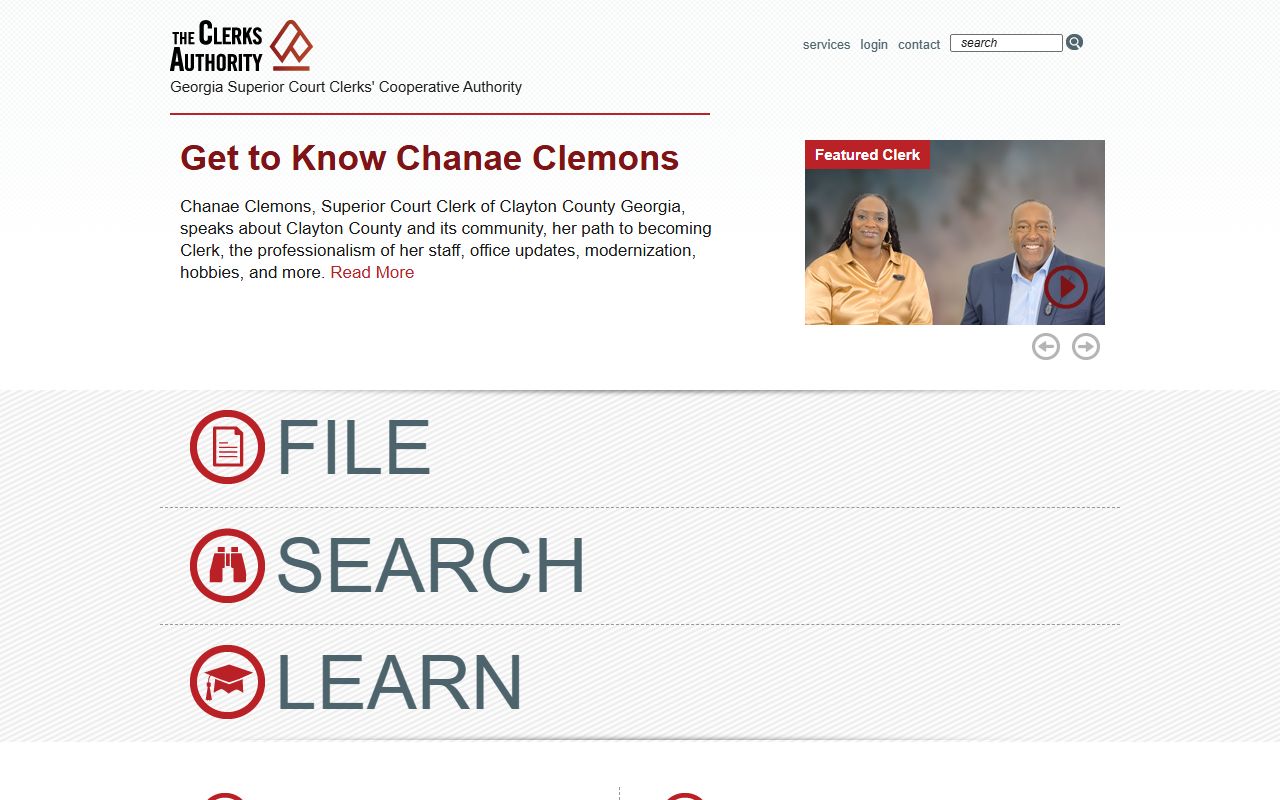
That statewide layer helps locate services, but the Taylor clerk controls the official local criminal case file.
PeachCourt's service offers another electronic document route for participating courts.

Registration or document charges may apply, and Taylor coverage must be checked inside the live service.
What the Case File Shows
A Taylor County criminal case file records a prosecution, not just the custody event that came before it. The charging document may be an indictment approved by a grand jury or an accusation filed by the prosecutor. The docket then logs hearings, motions, pleas, orders, and the final outcome. Start with the docket and disposition. Those records identify which longer documents are worth requesting.
| Case Number & Court | Identifies the Taylor court, filing, and official file. |
|---|---|
| Charging Document | States the filed counts through an accusation or indictment. |
| Docket Entries | Chronological index of filings, hearings, motions, and orders. |
| Hearing Dates | Shows scheduled or completed court events, subject to later changes. |
| Disposition & Judgment | Records the outcome for each count, such as guilty, dismissed, acquitted, or nolle prossed. |
| Sentence & Conditions | Lists confinement, probation, fines, restitution, or other court-ordered terms. |
Read Taylor Case Outcomes Carefully
Georgia court terms can look alike while carrying different meanings. A disposition is the reported outcome of a charge. It must be read count by count because one Taylor County case may resolve in several ways. A booking charge is not the same as the charge ultimately filed, and neither alone establishes the judgment.
- Nolle prosequi
- The prosecutor declines to continue that charge at that time.
- No bill
- A grand jury does not approve the proposed indictment.
- Dismissed
- The charge was ended without a guilty judgment on that count.
- First Offender
- Georgia treatment that may end in discharge without ordinary adjudication of guilt after successful completion; it is not a simple dismissal.
- Capias
- A court command to take a person into custody, often tied to nonappearance or noncompliance.
When the meaning affects a personal record review, obtain the filed order rather than relying only on a short portal label.
Stages of a Criminal Case
A local arrest may first produce a Magistrate Court appearance and bond decision. The prosecutor then decides what charge, if any, to file in Taylor Superior Court. An indictment or accusation begins the formal prosecution. Arraignment addresses the plea. Motions and other pretrial work follow before a negotiated plea or trial. The judgment and sentence come at the end, while an appeal can create a later record.
Case flow: Charges Filed › Arraignment › Pretrial › Plea or Trial › Disposition › Sentencing
Certified Taylor Court Copies
The Taylor County clerk is the source for certification. A portal image may help with research, yet it is not automatically a clerk-certified record. Ask for the docket and disposition first, specify the case number, and state which order must be certified. Taylor has not published a copy or search fee in the reviewed official material, so confirm cost and delivery before ordering.
The re:SearchGA interface shows the type of remote access available through participating courts.
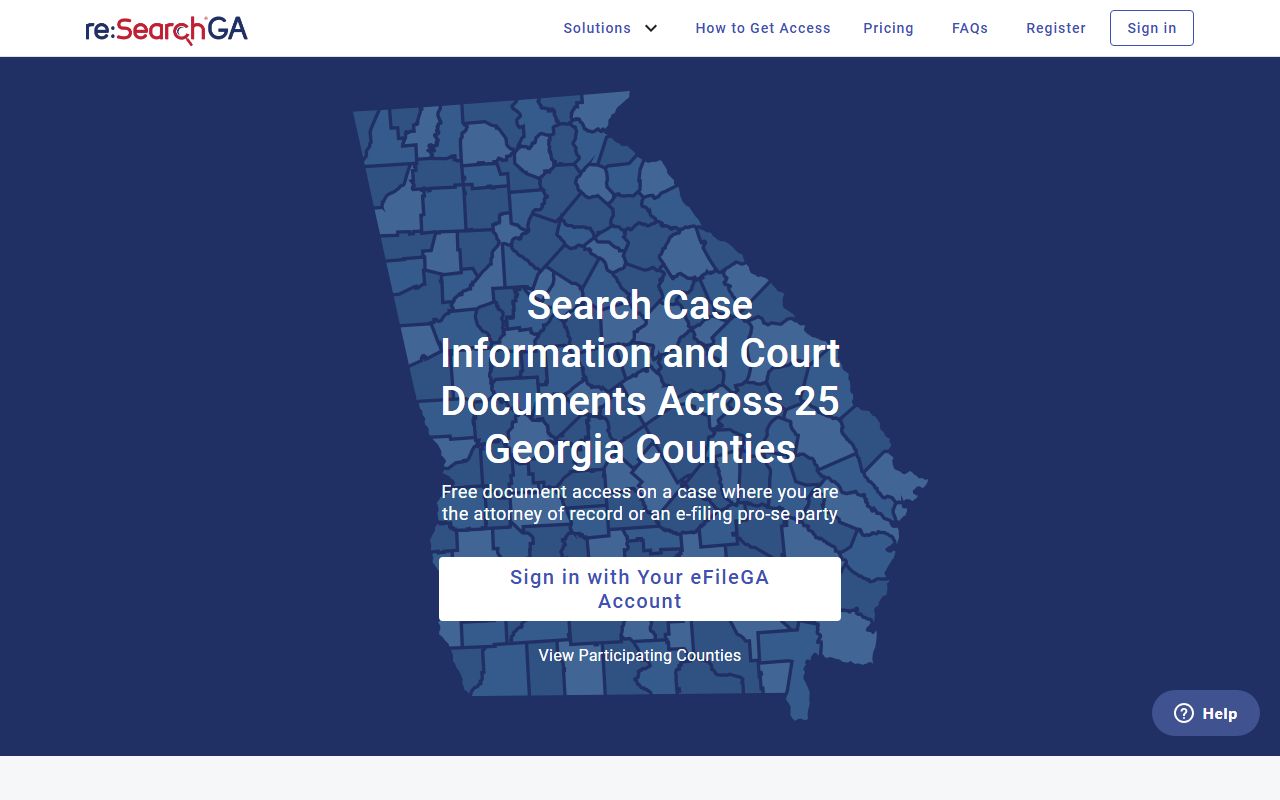
If that interface blocks access or lacks an image, the clerk's phone, mail, and counter remain the next steps.
Taylor Federal Criminal Dockets
Federal cases are separate from Taylor County criminal court cases. Taylor lies in the Columbus Division of the U.S. District Court for the Middle District of Georgia. PACER is the official federal docket and document channel, requires an account, and applies its current federal fee policy.
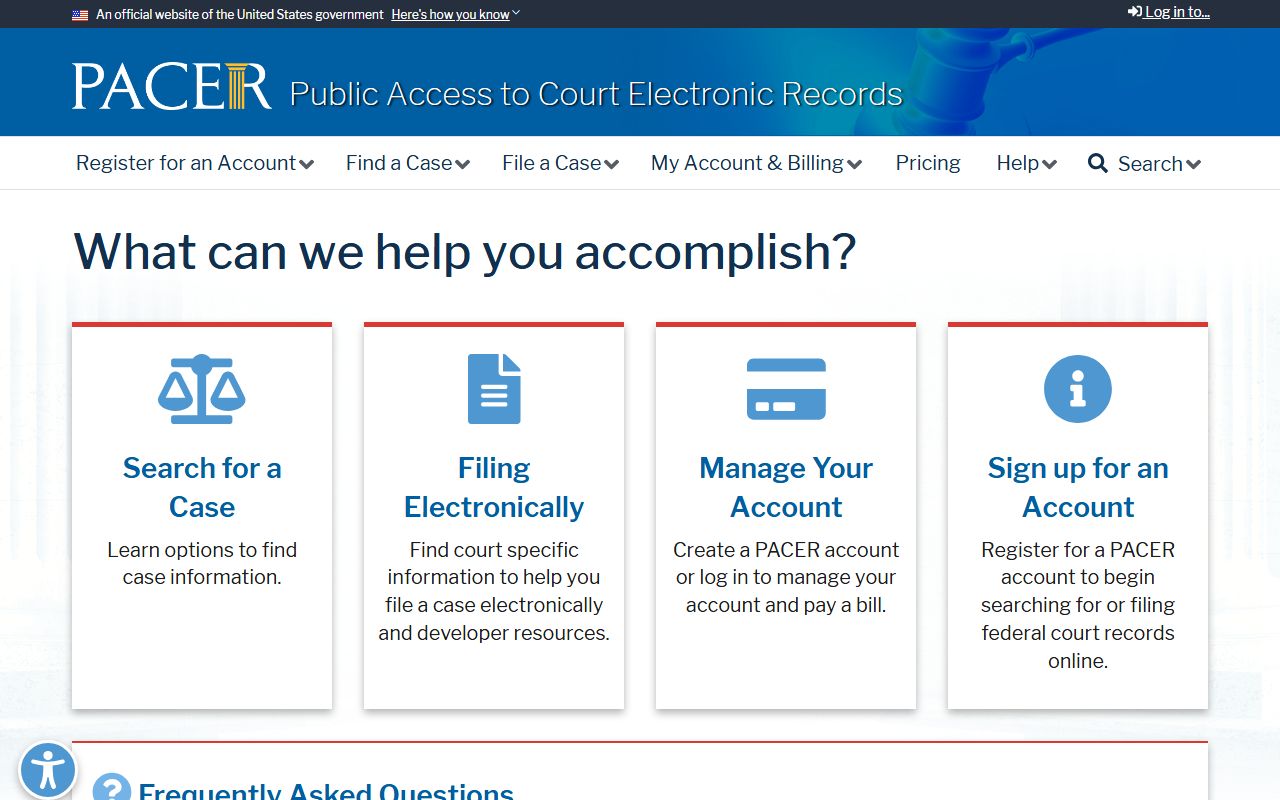
A PACER result cannot establish anything about a Taylor Superior, Magistrate, Probate, or municipal case. Search the system tied to the court that filed the charge.
Access & Restrictions
Georgia court records are generally open, but access is not absolute. Uniform Superior Court Rule 21 governs access to Superior Court records. Sealed matters, juvenile records, protected victim or minor details, and personal identifiers may be withheld or redacted. A blank online search does not prove no Taylor County case exists.
The Georgia Open Records Act applies to agency records, while judicial files belong with the clerk under court-access rules. For sheriff or police incident material, direct a focused request to the agency that created it. For the filed outcome, use the clerk. Georgia record restriction under O.C.G.A. § 35-3-37 can limit ordinary repository dissemination, and a separate court order may seal a judicial file. Neither process should be described as erasing every copy.
The county court-system page is the official starting point for local office routing.
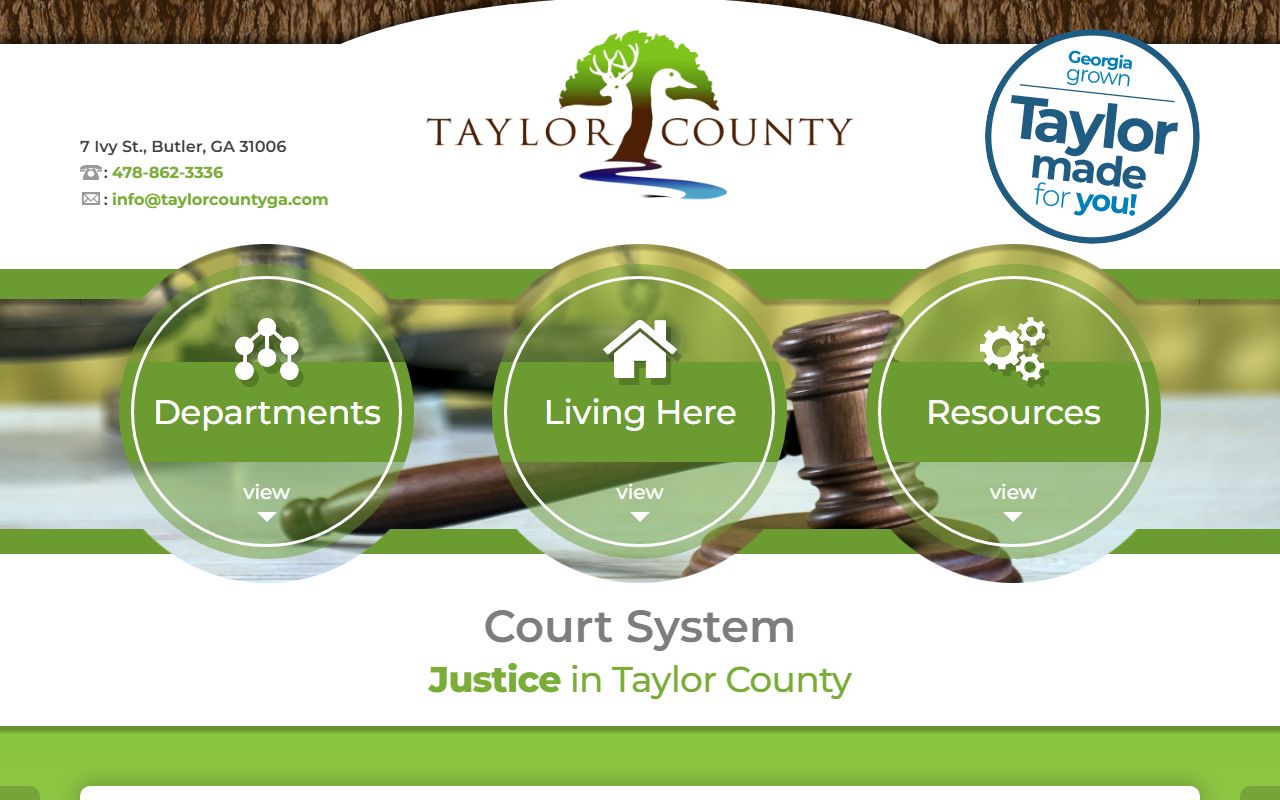
That source helps identify the custodian even when a remote case-search session fails.